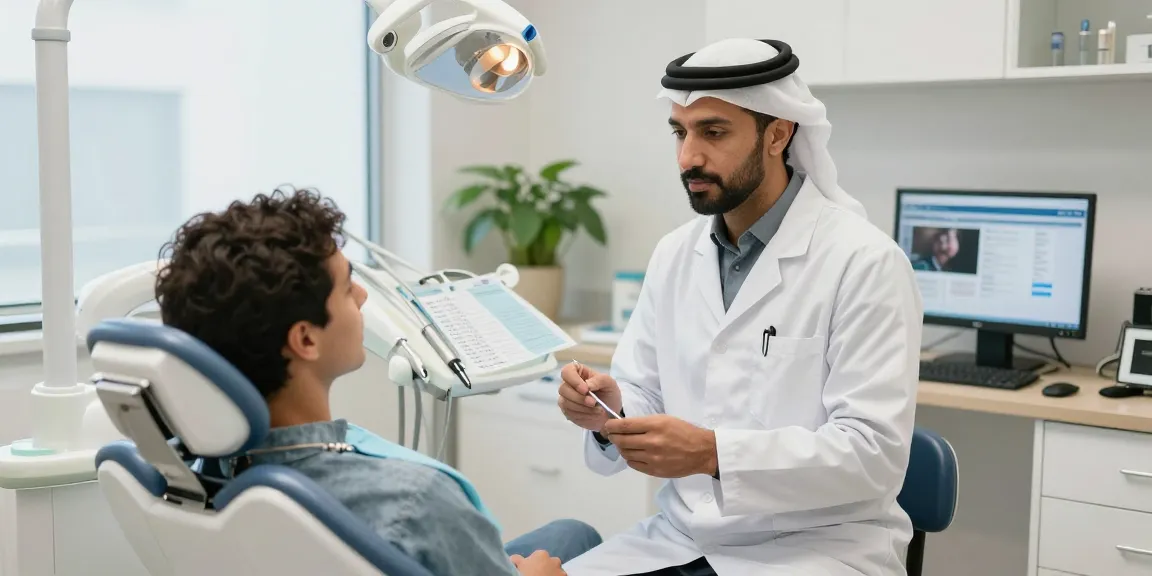
Understanding Hair Transplantation
The journey toward reclaiming one’s hair can be both exciting and daunting for many individuals experiencing hair loss. Hair transplantation is a medical procedure designed to restore hair in areas where it has been lost, delivering natural-looking results. This procedure, particularly popular in Turkey, specifically in cities like Istanbul, has gained a reputation for quality and affordability. When exploring options, hair transplant istanbul provides comprehensive insights into the procedures, costs, and outcomes. In this article, we will delve into the various aspects of hair transplantation, ensuring you have the knowledge necessary to make an informed decision.
The Basics of Hair Transplantation
Hair transplantation involves the移植 of hair follicles from a donor site to the balding or thinning areas of the scalp. This medical treatment is primarily aimed at treating androgenetic alopecia (male and female pattern baldness), although it can also address other forms of hair loss. The procedure utilizes the patient’s own hair, making it a natural solution for restoring lost hair. It is essential to understand that this procedure yields permanent results, as the transplanted hair grows in a manner similar to natural hair. Post-surgical care and proper techniques can significantly impact the success and longevity of the results.
Common Techniques Used
There are two main techniques used in hair transplantation: Follicular Unit Transplantation (FUT) and Follicular Unit Extraction (FUE). FUT involves removing a strip of skin from the donor area, usually the back of the head, and dissecting it into individual hair follicles to be transplanted. This method can yield a larger number of grafts in one session but leaves a linear scar. In contrast, FUE involves extracting individual follicles directly from the scalp, which minimizes scarring and recovery time but is often more time-consuming and can be costlier. In addition, Direct Hair Implantation (DHI) is emerging as a technique that allows for simultaneous extraction and implantation of hair follicles, enhancing precision and reducing the trauma to the scalp.
Who is a Suitable Candidate?
Not everyone is a suitable candidate for hair transplantation. Ideally, candidates should be in good health, have a sufficient amount of donor hair, and exhibit realistic expectations regarding the outcomes. Common contraindications include individuals with certain medical conditions, insufficient donor hair, or expectations that far exceed the procedure’s capabilities. A thorough pre-operative consultation with a specialist will help determine if hair transplantation is the most fitting solution for you.
Preparing for Your Hair Transplant
Pre-procedure Evaluation and Testing
Prior to undergoing a hair transplant, a comprehensive evaluation is crucial for both the patient and the medical team. This evaluation typically includes blood tests, a detailed medical history, and an assessment of hair loss patterns and scalp condition. These tests help identify any potential underlying health issues that could affect the procedure’s success, such as hormonal imbalances or autoimmune conditions.
What to Expect on the Day of Surgery
On the day of the surgery, patients can expect a well-coordinated experience. It starts with a consultation to review the plan for the procedure, including the number of grafts and the areas to be treated. Patients are generally advised to wear comfortable clothing and to arrive with clean hair that hasn’t been styled or treated with products. Local anesthesia will be applied, ensuring a pain-free experience during the extraction and transplantation phases.
Patient Guidelines for Optimal Readiness
To optimize readiness for hair transplantation, patients should adhere to specific guidelines. It is essential to avoid blood thinners, smoking, and alcohol in the days leading up to the procedure. Proper hydration and nutrition are also highly recommended to promote healing and recovery. Furthermore, following your healthcare provider’s specific instructions will help mitigate risks and enhance outcomes.
Post-Transplant Care and Considerations
Initial Recovery and Aftercare Steps
The initial recovery phase post-surgery typically involves mild swelling and discomfort, which can usually be managed with prescribed medication. Guidance from your medical team will include specific aftercare steps such as avoiding direct sunlight, refraining from heavy exercise, and adhering to instructions about shampooing and styling. The transplanted hair follicles require gentle handling during the early recovery period.
Long-Term Care for Transplanted Hair
Long-term care for your transplanted hair is essential for achieving optimal results. Regular follow-up appointments with your surgeon will allow for monitoring of hair growth progress and scalp health. Patients should also maintain a healthy lifestyle, including a balanced diet and hydration, to support hair growth. Some may benefit from supplementary treatments like Platelet-Rich Plasma (PRP) therapy, which can enhance hair restoration results.
Signs of Complications to Watch For
While complications are rare, it’s crucial to recognize signs that require medical attention, such as excessive bleeding, infection, or unexpected pain. If you experience any unusual symptoms or concerns during recovery, reaching out to your healthcare provider is vital. Early intervention can prevent minor issues from becoming significant problems.
Cost Insights: Hair Transplant in Istanbul
Understanding Price Variations
The cost of hair transplantation in Istanbul can vary significantly based on several factors, including the technique used, the number of grafts required, and the clinic’s reputation. Average prices in 2026 range from $1,800 to $6,000, with many patients finding Istanbul to offer a more affordable yet high-quality solution compared to many Western countries. Understanding these prices and how they align with your budget is essential as you explore treatment options.
What Influences Hair Transplant Costs?
Several key factors influence the cost of hair transplants in Istanbul. These include the type of hair restoration method used (FUT, FUE, DHI), the number of grafts needed, the experience and expertise of the surgical team, and additional services included in the package, such as accommodation and transportation. It’s wise to compare different clinics and what they offer to find the best value.
Comparing Costs: Istanbul vs. Global Average
When comparing costs, hair transplants in Istanbul are often 60-80% lower than similar procedures in countries like the UK or the US. This significant cost difference can be attributed to the lower overall cost of healthcare services in Turkey, combined with the rise in medical tourism. However, it’s essential to invest in trustworthy and accredited clinics to ensure quality care.
Frequently Asked Questions
How Long Does a Hair Transplant Last?
Typically, the results of a hair transplant are permanent. The transplanted hair follicles are typically resistant to the hormones that cause hair loss, meaning they should continue to grow for a lifetime, providing that the individual follows appropriate care and lifestyle practices.
Is Istanbul Safe for Hair Transplant?
Istanbul is generally regarded as a safe destination for hair transplant procedures, particularly when patients do thorough research and choose accredited clinics. Many clinics adhere to international safety standards and provide high-quality care.
What Results to Expect from a Hair Transplant?
Patients can expect to see visible results typically within 3 to 6 months post-procedure, with fuller growth becoming more apparent around the one-year mark. For more information, https://www.bukclinic.com/hair-transplant-turkey/ offers valuable insights. The actual outcome can vary based on factors like hair type, the area of transplantation, and individual healing progress.